Turkish Carpet Motifs: Meanings and Symbols Explained
Turkish Carpet Motifs: Meanings and Symbols Explained
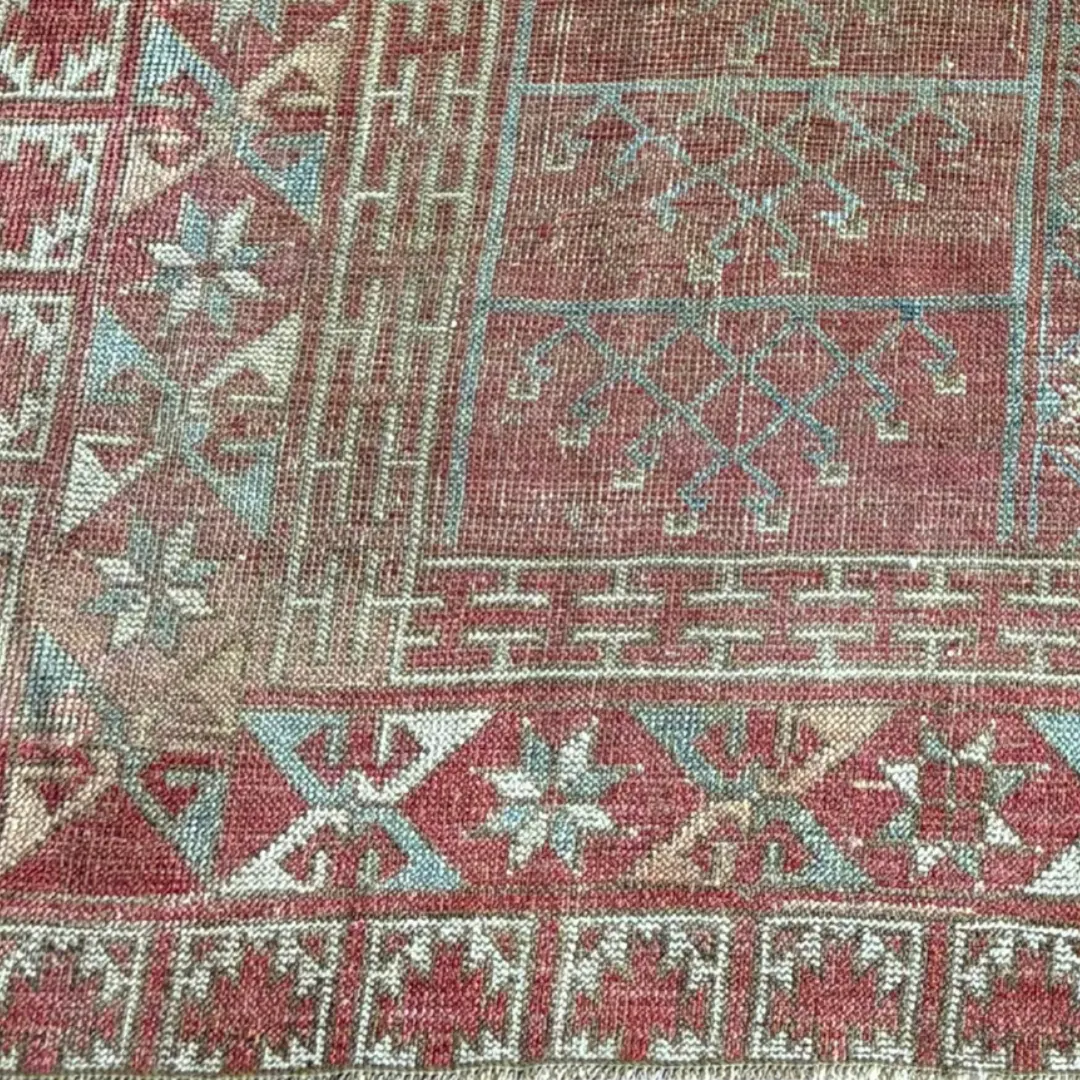
Traditional Turkish carpets are more than decorative objects — they are visual stories woven through generations. Every pattern, color, and motif carries meaning, often reflecting the beliefs, hopes, and daily life of the people who created them.
Across Anatolia, carpet weaving has long been both an art form and a language. Motifs were traditionally used to communicate emotions, family wishes, protection, and identity. For centuries, these symbols traveled across regions, evolving slightly in style but preserving their cultural meaning.
Today, many of these traditional motifs continue to inspire modern design. At House of Motifs, we often draw inspiration from these visual traditions when curating textiles and decorative pieces for contemporary homes.
The Language of Anatolian Motifs
In many traditional Turkish carpets, motifs function almost like a symbolic alphabet. Certain patterns appear repeatedly across regions because they represent shared cultural values.
For example, some motifs symbolize protection from harm, while others represent fertility, unity, or the continuity of family life. These symbols were especially important in village weaving traditions, where carpets often carried deeply personal meaning for the families who created them.
Even today, when these motifs appear in modern interiors, they still carry echoes of their original stories.
From Heritage to Modern Interiors
Although carpet weaving traditions date back centuries, the aesthetic power of these motifs remains timeless. Designers and collectors around the world continue to appreciate their balance of geometry, symbolism, and craftsmanship.
Many modern textiles — including decorative pillows and woven fabrics — reinterpret these traditional patterns in new forms.
At House of Motifs, our curated collection of silk velvet pillow covers
often reflects this dialogue between heritage and modern design.
By bringing together historic motifs and contemporary textures, these pieces allow traditional symbolism to live naturally within modern interiors.
A Tradition That Continues to Inspire
The rich symbolism of Turkish carpet motifs reminds us that design is never only about aesthetics. It is also about memory, storytelling, and cultural continuity.
An article exploring the deeper meanings of these motifs was originally published in McKinneyToday, where we shared how these traditional patterns continue to inspire modern décor.
You can read the full article here:
https://mckinneytoday.com/turkish-carpet-motifs-meanings-symbols-explained/
If you are interested in exploring textiles inspired by these traditions, you can also visit our boutique in Historic Downtown McKinney or browse our collections online at: