Article: Turkish Motifs Explained: Symbols, Meanings, and Timeless Design
Turkish Motifs Explained: Symbols, Meanings, and Timeless Design
Across Anatolia, motifs have long served as a visual language. For centuries, artisans wove stories, beliefs, and personal hopes into textiles, ceramics, and decorative arts through symbolic patterns.
These Turkish motifs are more than decoration. Each symbol carries meaning — protection, prosperity, love, or the continuity of life — and today these historic patterns continue to bring cultural depth and timeless character into contemporary homes. At House of Motifs, these traditions shape many of the pieces we curate, from textiles to decorative accents that bridge heritage and modern design.
The Cultural Language of Turkish Motifs
In traditional Anatolian craftsmanship, motifs functioned almost like a symbolic alphabet. Before written communication was common in many rural communities, artisans used patterns to express identity, beliefs, and life events. Certain motifs appeared again and again across regions because they represented universal wishes — happiness, protection, fertility — traveling through generations and evolving in form while preserving their meaning.
Common Turkish Motifs and Their Meanings
- Evil Eye (Nazar) — protection against envious or negative energy. It is the most recognizable of all; we devoted a whole guide to what the evil eye means in Turkish culture.
- Tree of Life (Hayat Ağacı) — continuity, growth, and the connection between earth and sky, and between generations.
- Ram's Horn (Koçboynuzu) — strength, heroism, and fertility.
- Elibelinde — a stylized female figure with hands on hips, symbolizing motherhood, femininity, and fertility.
- Tulip (Lale) — a beloved Ottoman symbol associated with the divine and with abundance; it gave its name to an entire era of Ottoman art.
- Carnation (Karanfil) — the gardens of paradise, and happiness.
- Pomegranate (Nar) — fertility, abundance, and prosperity.
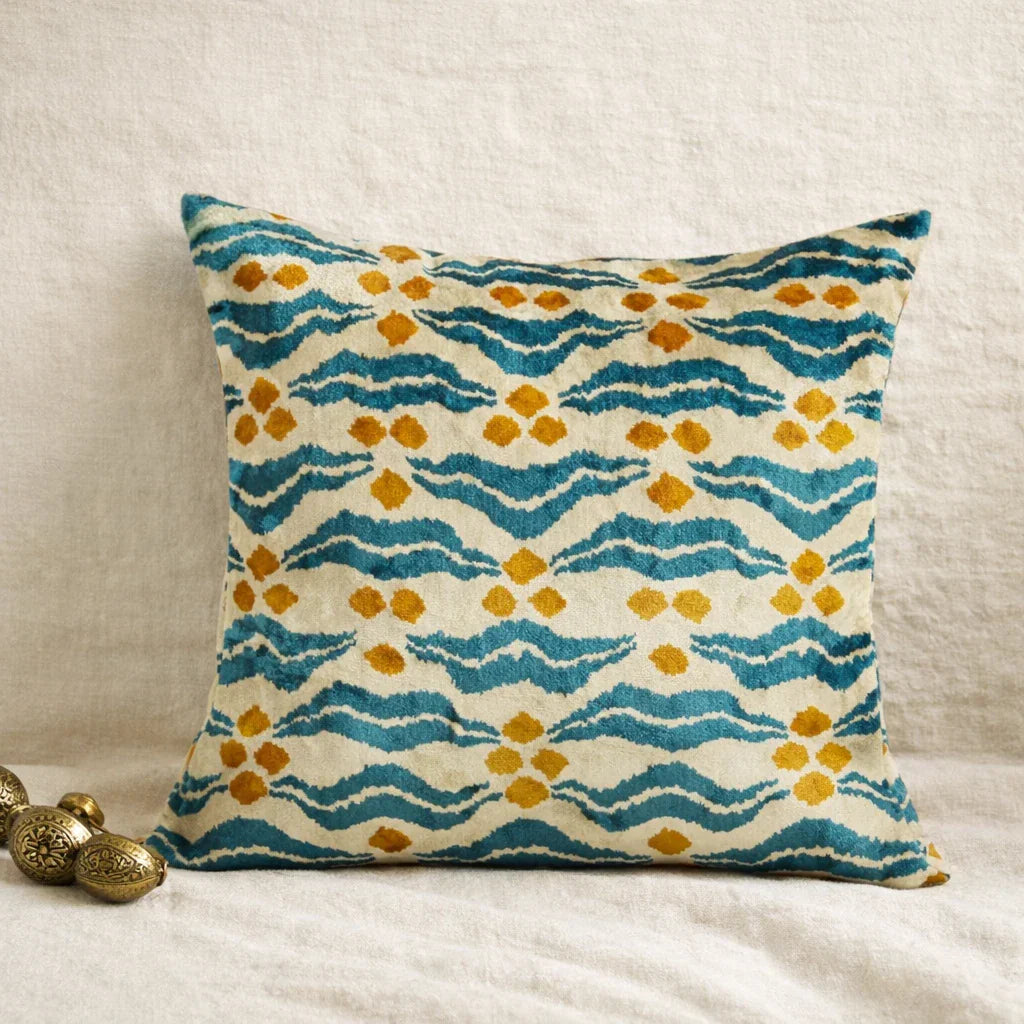
- Chintamani — three dots paired with wavy "tiger stripe" lines, a royal Ottoman motif signifying power and protection.
These same symbols recur across carpets, embroidery, ceramics, and woven textiles. For the carpet tradition specifically, see our guide to Turkish carpet motifs and their symbols.
From Traditional Craft to Modern Interiors
While these motifs originated centuries ago, their visual power still resonates. Designers and collectors around the world are rediscovering traditional patterns and bringing them into contemporary spaces — through textiles, ceramics, and decorative accents that carry both color and meaning.
At House of Motifs, our collections reflect this dialogue between historic symbolism and modern design. You will find the tulip, carnation, medallion, and chintamani reinterpreted across our silk velvet pillow covers, our silk velvet bags, and our Turkish tableware — each piece letting a traditional motif feel at home in a modern interior.
Why Traditional Motifs Still Matter Today
In a world increasingly filled with mass-produced objects, traditional motifs offer something different: meaning. They connect us to history, culture, and the artisans who first created them. Whether woven into a pillow or painted onto a bowl, these symbols remind us that design can carry memory and identity — and for many homeowners and designers, that authenticity is exactly the point.
To explore décor inspired by these traditions, browse our collections online or visit House of Motifs in Historic Downtown McKinney.

